




Circular construction is not just a buzzword in 2026; it’s a transformative approach reshaping how we think about waste in the building industry. With an estimated 30% of global waste generated from construction activities, the urgency to innovate has never been clearer. This year, we’re witnessing a remarkable shift where discarded materials are being reimagined as valuable resources, fundamentally changing project lifecycles.
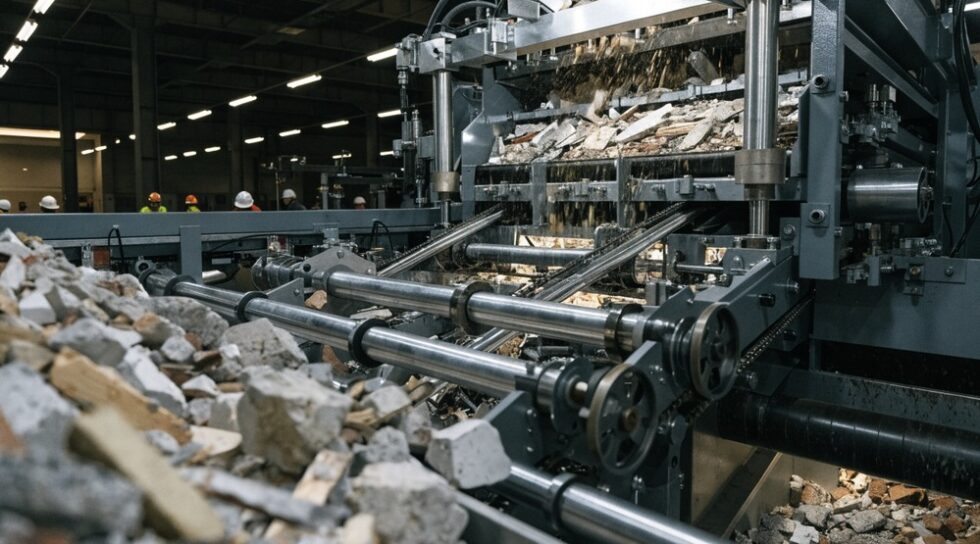
Recent advancements in recycling technologies have made it possible to reclaim materials like concrete, steel, and wood at unprecedented rates. For instance, innovative sorting systems now allow for the efficient separation of mixed materials, which was once a significant barrier to recycling. Isn’t it fascinating how technology can breathe new life into what was once deemed useless?
Government policies are playing a pivotal role in this evolution. In 2026, several regions have implemented stringent regulations aimed at promoting a circular economy within the construction sector. The European Union, for example, has set ambitious targets for recycling rates, mandating that at least 70% of construction waste be reused or recycled by 2030. This kind of legislative push not only encourages builders to adopt sustainable practices but also fosters a culture of responsibility within the industry.
In the United States, states like California are leading the charge with incentives for projects that utilize recycled materials. Builders who incorporate reclaimed resources into their designs can benefit from tax breaks and expedited permitting processes. This approach not only reduces landfill waste but also lowers material costs. It’s a win win, right?
However, the transition to circular construction isn’t without its challenges. While many companies are eager to embrace these new practices, the lack of standardized guidelines can create confusion. What materials qualify as “recyclable”? How can builders ensure quality when using reclaimed resources? These questions linger in the minds of many stakeholders. Addressing these uncertainties is crucial for the circular economy to thrive.
Despite these hurdles, there are shining examples of success. Projects across Europe and North America are showcasing how circular construction can be both environmentally friendly and economically viable. Buildings constructed with recycled materials are not only reducing waste but also achieving higher energy efficiency ratings. This demonstrates that sustainability and profitability can go hand in hand.
As we look ahead, the future of circular construction appears promising. With ongoing technological advancements and supportive policies, the industry is poised for a significant transformation. The question remains: will we fully embrace this shift and redefine our relationship with waste? In 2026, the answer seems to be leaning toward a resounding yes, as more stakeholders recognize the value of turning waste into a resource.