




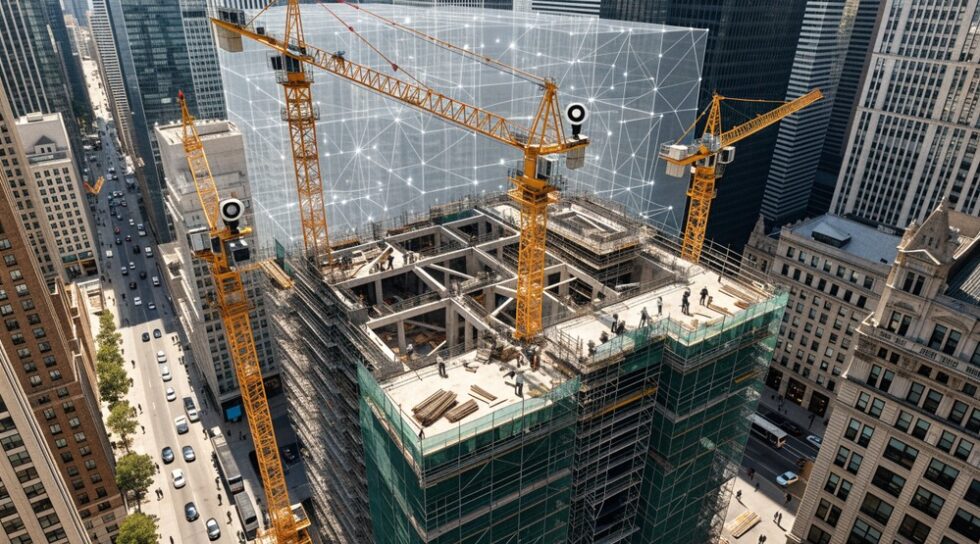
In 2026, the construction industry is experiencing a seismic shift thanks to the integration of digital twins and real time sensors. These technologies are not just buzzwords; they are reshaping how projects are designed, executed, and maintained. Imagine a virtual replica of a building that evolves in tandem with its physical counterpart, constantly updated by sensors that track everything from structural integrity to energy consumption. This is the reality today, and it’s revolutionizing the way we think about construction.
Take a recent project in downtown Chicago, where a high rise was built using a digital twin that simulated every phase of construction. As workers laid the foundation, real time sensors monitored soil stability and moisture levels, feeding data back to the digital model. This allowed project managers to make immediate adjustments, preventing costly delays and ensuring that the building met safety standards. It’s fascinating to see how technology can enhance efficiency and reduce waste, isn’t it?
But the benefits don’t stop at construction efficiency. The integration of these technologies has also improved collaboration among stakeholders. Architects, engineers, and contractors can now access the same up to date information, fostering a more cohesive working environment. In 2025, studies showed that projects utilizing digital twins reported a 30% reduction in rework and a 25% improvement in project timelines. These numbers are not just impressive; they highlight a fundamental shift in how we approach building.
However, with great innovation comes great responsibility. As digital twins and sensors become more prevalent, regulatory challenges are emerging. Policymakers are grappling with how to govern the use of these technologies, particularly concerning data privacy and security. In 2024, a survey indicated that 60% of construction firms were concerned about the potential misuse of data collected by sensors. This is a valid concern; after all, as we digitize more aspects of our lives, the risks associated with data breaches grow.
Regulatory frameworks are struggling to keep pace with technological advancements. While some regions have begun to implement guidelines for the use of digital twins, many areas remain in the dark. This inconsistency can create confusion and hinder innovation. Builders are left wondering what data they can collect and how it can be used without running afoul of regulations. It’s a tricky balance between fostering innovation and ensuring public safety.
So, what’s the way forward? Industry leaders are advocating for clearer regulations that can adapt to the rapid pace of technological change. They argue that a standardized approach to data governance could not only protect consumers but also encourage more firms to adopt these transformative technologies. After all, if companies feel secure about how they can leverage data, they’re more likely to invest in the tools that drive efficiency.
As we look ahead, the promise of digital twins and real time sensors is undeniable. They are not just tools for efficiency; they represent a new paradigm in construction that bridges the gap between design and reality. Yet, the path forward requires careful navigation of regulatory landscapes. The construction industry stands at a crossroads, and how it addresses these challenges will determine whether it can fully harness the potential of these groundbreaking technologies.