





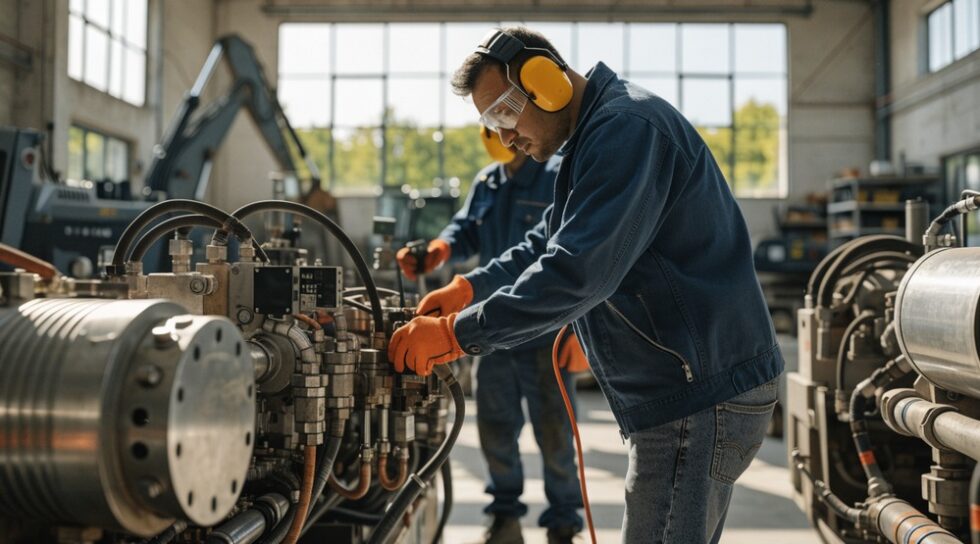
In 2026, the focus on optimizing equipment utilization has never been more critical. As industries grapple with rising operational costs and the need for efficiency, the spotlight is on strategies that not only enhance productivity but also significantly reduce idle costs. With the right approach, businesses can transform their equipment from underused assets into vital contributors to their bottom line.
Recent advancements in technology have played a pivotal role in this shift. For instance, the integration of IoT devices and real time data analytics has allowed companies to monitor equipment performance like never before. These tools provide insights into usage patterns, enabling businesses to identify when and where equipment sits idle. It’s a game changer. After all, who wouldn’t want to know exactly how their assets are performing?
Looking back at 2024 and 2025, we see a foundation laid for these innovations. Companies began investing heavily in predictive maintenance technologies, which not only reduced downtime but also optimized scheduling. This proactive approach has evolved, allowing organizations to anticipate equipment needs and allocate resources more effectively. The result? A notable decrease in idle time and associated costs.
So, how can businesses maximize their equipment utilization in practical terms? First, embracing a culture of continuous improvement is essential. Regular training for staff on equipment handling and maintenance can lead to better usage rates. Additionally, implementing software solutions that track equipment usage and performance metrics can provide a clearer picture of where inefficiencies lie. It’s about creating a feedback loop that drives accountability and improvement.
Policymakers and industry leaders are increasingly recognizing the importance of these strategies. They understand that reducing idle costs isn’t just about saving money; it’s about fostering a more sustainable operational model. As businesses become more efficient, they can allocate resources toward innovation and growth, rather than merely maintaining the status quo. This shift in mindset is crucial for long term success.
However, not all strategies are equally effective. Some companies have found that simply investing in new technology without a comprehensive plan leads to underwhelming results. It’s essential to pair technological advancements with a clear understanding of operational needs. Without this alignment, even the most sophisticated tools can fall short of expectations. What’s the takeaway? Technology should enhance, not replace, human insight.
As we move through 2026, the conversation around equipment utilization will likely continue to evolve. The challenge remains: how can businesses stay ahead of the curve? By focusing on innovative solutions and fostering a culture of efficiency, companies can not only slash idle costs but also position themselves for future growth. After all, in a world where every dollar counts, maximizing the potential of existing resources is not just smart. It’s essential.