




Emerging Trends in Construction and Infrastructure for 2026
The construction and infrastructure landscape is evolving rapidly, with emerging trends set to reshape the industry by 2026. Central to this transformation are sustainable practices and digital transformation, which are essential components of modern construction. These trends are increasingly intertwined with recent policy shifts prioritizing environmental sustainability and innovation.
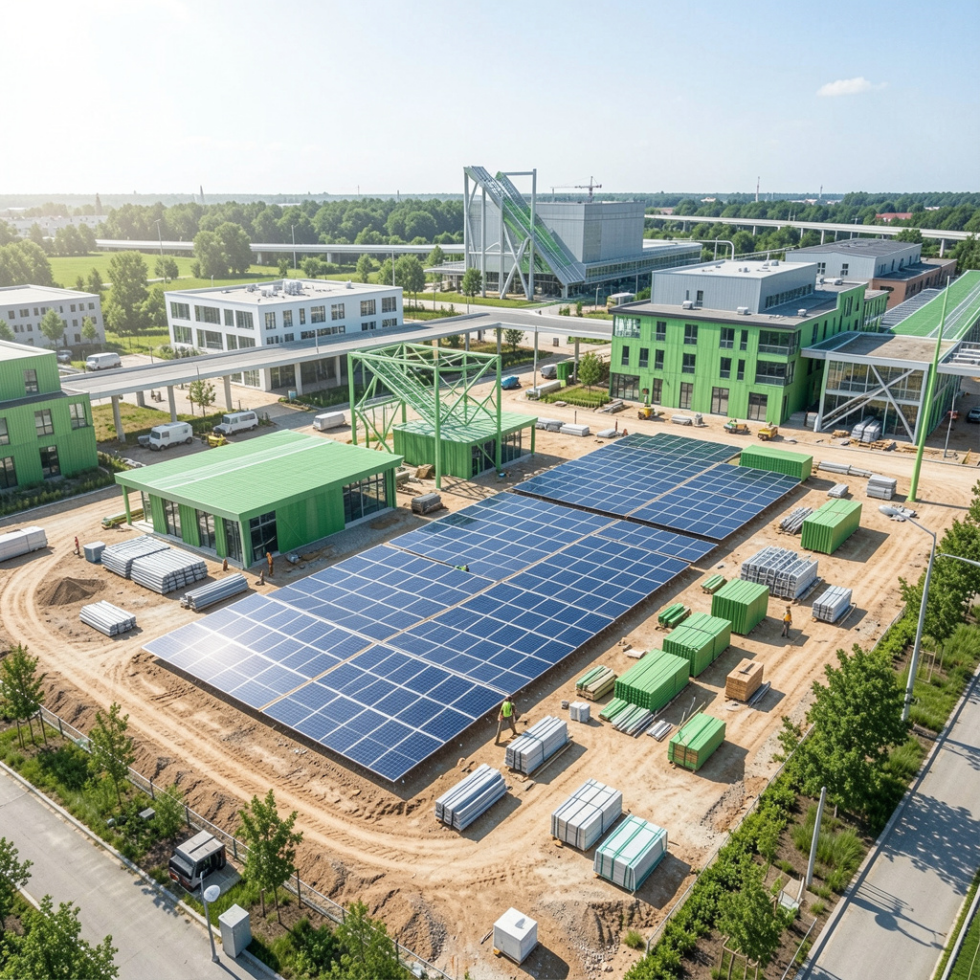
In 2024 and 2025, we witnessed a significant push towards sustainability. Governments worldwide implemented stricter regulations aimed at reducing carbon footprints and promoting green building practices. This momentum is expected to carry into 2026, as builders and developers adopt sustainable technologies like solar panels, energy-efficient materials, and smart building systems. The goal is to create structures that meet today’s needs while safeguarding the environment for future generations.
Digital transformation is another critical trend reshaping the construction industry. The adoption of Building Information Modeling (BIM), drones, and augmented reality has streamlined project management and enhanced collaboration among stakeholders. By 2026, these technologies will become standard practice, enabling teams to visualize projects in real-time and make data-driven decisions. This shift is about creating a more integrated approach to construction that can adapt to changing demands.
However, these advancements come with challenges. One pressing issue is the ongoing labor shortage. As the industry embraces new technologies, the demand for skilled workers who can operate and maintain these systems is skyrocketing. This shortage impacts the pace of construction and the quality of work. Companies are investing in training programs and partnerships with educational institutions to bridge this skills gap. By 2026, we can expect a more robust workforce, but only if the industry acts decisively.
The intersection of sustainability, digital innovation, and labor dynamics will define the construction landscape. Leaders in the field are optimistic, envisioning a future where projects are completed faster and with a lower environmental impact. Yet, they acknowledge the hurdles ahead. The key will be balancing these emerging trends with practical solutions to the labor crisis.
Experts emphasize that collaboration will be crucial. Builders, operators, and financiers must work together to create a cohesive strategy that addresses these challenges. For instance, banks are increasingly interested in funding projects that prioritize sustainability, recognizing that investing in green infrastructure is a smart financial decision. This shift in investment patterns will likely gain momentum as more stakeholders understand the long-term benefits of sustainable construction.
In summary, the construction and infrastructure sectors are on the brink of significant transformation by 2026. With sustainability and digital transformation at the forefront, the industry is poised for growth. However, addressing labor shortages and fostering collaboration among stakeholders will be essential to realizing this potential. The focus will be on not just building structures but creating a resilient and sustainable future.