




Global construction trends in 2026 are reshaping how we think about infrastructure funding and the adoption of sustainable technologies. As the industry grapples with increasing demands for efficiency and environmental responsibility, innovative funding solutions are emerging to meet these challenges head-on. The construction sector is no longer just about bricks and mortar; it’s about creating resilient, sustainable environments that can adapt to the realities of climate change and urbanization.
Despite the optimism, funding remains a significant hurdle. Reports indicate that the global construction industry faces a funding gap that could exceed $1 trillion by the end of the decade. This gap is largely driven by rising material costs and labor shortages, which have escalated since 2024. Investors are becoming more selective, focusing on projects that demonstrate clear sustainability metrics and long-term viability. As a result, traditional funding models are being scrutinized, pushing stakeholders to explore alternative financing options, such as public-private partnerships and green bonds.
What does this mean for builders and developers? They must adapt quickly to secure the necessary capital for their projects. Many are turning to technology to streamline operations and reduce costs. For instance, Building Information Modeling (BIM) has gained traction, allowing teams to visualize projects in real-time and minimize waste. This shift not only enhances efficiency but also appeals to investors looking for transparency and accountability in their funding.
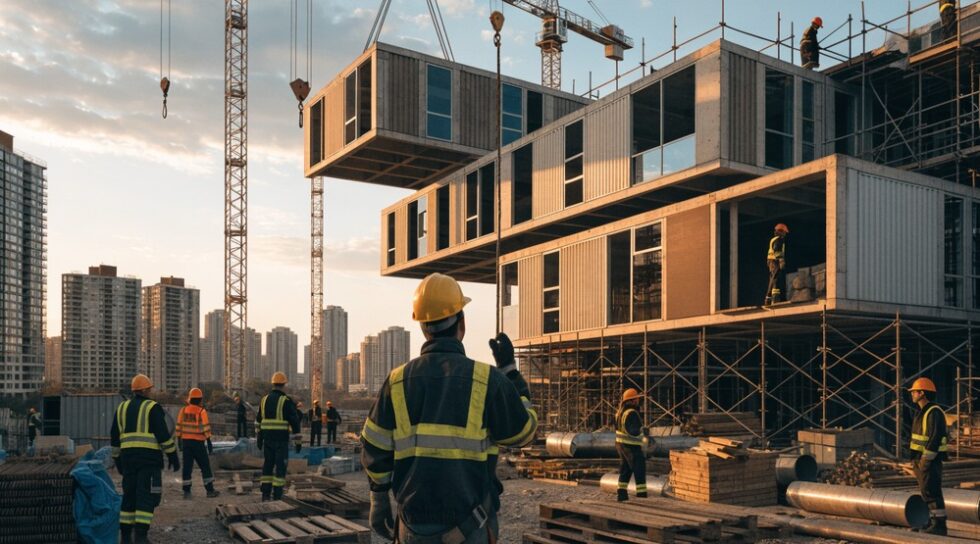
On the technology front, 2026 has seen remarkable advancements in sustainable building solutions. Innovations like carbon capture materials and energy-efficient systems are becoming mainstream. These technologies not only help reduce the carbon footprint of new constructions but also attract funding from environmentally conscious investors. The rise of modular construction techniques is another game-changer, enabling faster build times and reduced waste, which aligns perfectly with the sustainability goals many stakeholders are now prioritizing.
So, what’s the takeaway for those in the construction industry? Embracing these trends is no longer optional; it’s essential for survival. As funding challenges persist, the integration of sustainable technologies will be key to securing investment and ensuring project success. The future of construction lies in innovation, collaboration, and a commitment to building a better world—one project at a time.