



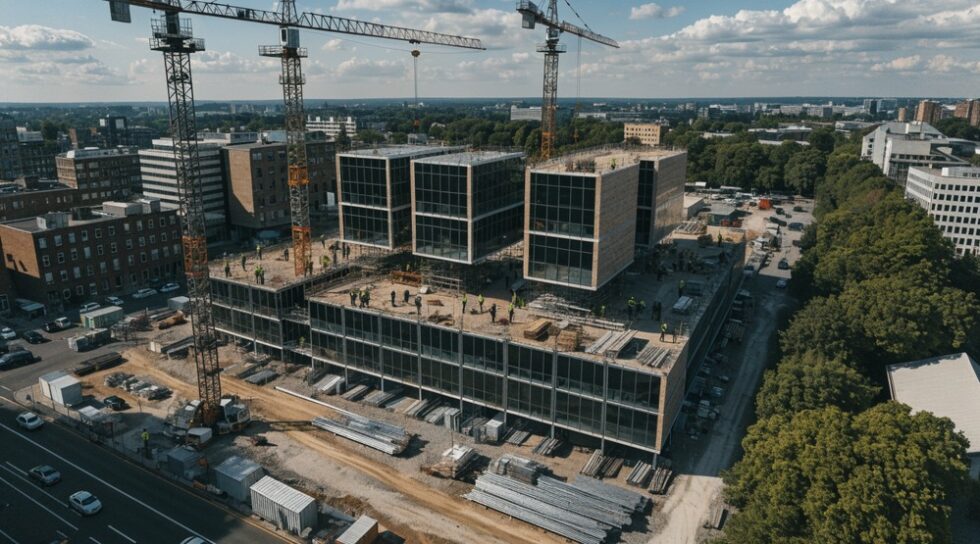
The construction sector in 2026 is undergoing a significant transformation, driven by emerging trends that are reshaping how projects are conceived, financed, and executed. As technology continues to advance, builders are increasingly integrating digital tools like Building Information Modeling (BIM) and artificial intelligence into their workflows. These innovations are not just enhancing efficiency; they are also improving collaboration among stakeholders, which is crucial in an industry often criticized for its fragmentation.
Recent shifts in infrastructure policy are also playing a pivotal role in influencing investment patterns. Governments worldwide are prioritizing sustainable development, leading to increased funding for green construction projects. This focus on sustainability is not merely a trend; it’s a necessity. Investors are now more inclined to back projects that align with environmental, social, and governance (ESG) criteria. In 2026, this shift is evident as more capital flows into renewable energy infrastructure and sustainable urban development initiatives.
So, what does this mean for the future? Industry leaders are optimistic. They believe that the convergence of technology and sustainability will unlock new opportunities. For instance, the rise of modular construction techniques is streamlining project timelines and reducing waste. Builders are finding that these methods not only cut costs but also allow for greater flexibility in design, catering to the evolving needs of urban populations.
However, it’s not all smooth sailing. While investment in construction is on the rise, challenges remain. Supply chain disruptions, exacerbated by global events in previous years, continue to pose risks. Many contractors are grappling with rising material costs and labor shortages. Addressing these issues is critical for maintaining momentum in the sector. Leaders are calling for more robust training programs to equip the workforce with necessary skills, ensuring that the industry can meet future demands.
In summary, the construction landscape in 2026 is marked by a blend of innovation and adaptation. As policies evolve and investment patterns shift, the sector is poised for growth. Builders, operators, and investors must remain agile, embracing new technologies and sustainable practices to navigate the complexities ahead. The future of construction is not just about erecting buildings; it’s about creating resilient, adaptable environments that meet the needs of a changing world.