



In 2026, the Indian government allocated ₹3.10 lakh crore to the Ministry of Road Transport and Highways, reflecting a strong commitment to expanding the national highway network. This funding is part of a broader strategy to enhance infrastructure as India aims to become a $5 trillion economy. The highway construction boom involves building roads and reshaping economies while connecting communities. However, this rapid development raises critical questions about sustainability and the impacts on local populations.
Currently, the government is working on monetizing assets from at least 28 national highways, covering over 1,800 kilometers. This effort is expected to generate around ₹35,000 crore in revenue for the fiscal year 2026-27. This approach aligns with the Bharatmala Initiative, which prioritizes connectivity in underserved regions. For instance, the recent launch of a ₹3,214 crore highway project in Meghalaya aims to connect isolated communities with commercial hubs, significantly boosting regional transportation and economic development.
While these investments promise economic growth, they also come with potential downsides. The push for highway expansion has led to concerns about environmental degradation and community displacement. Projects often face delays due to land acquisition issues, which can lead to increased costs and prolonged timelines. The Right to Fair Compensation and Transparency in Land Acquisition Act has made land acquisition more expensive, raising the average cost from ₹80 lakh per hectare to approximately ₹3.6 crore per hectare. Such financial pressures can deter developers and slow down project execution.
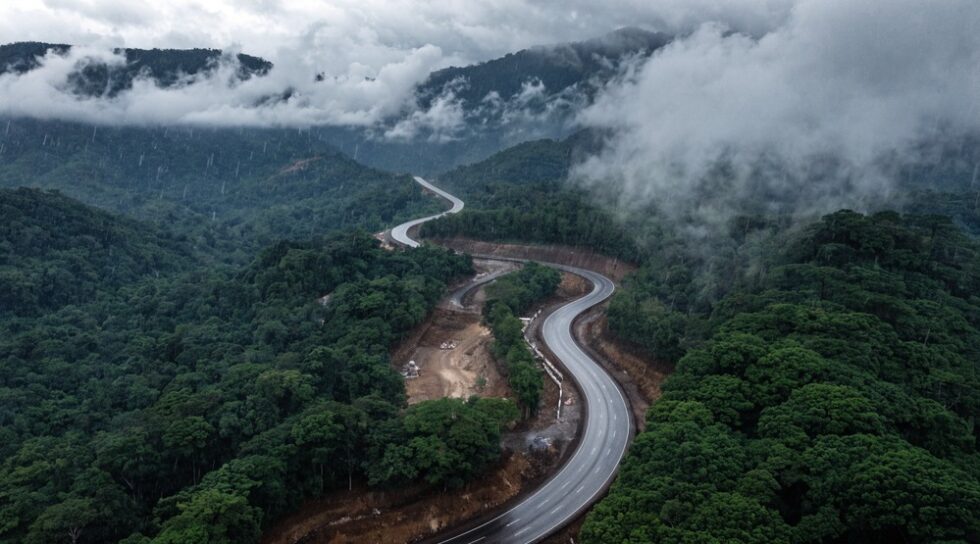
The environmental impact of highway construction cannot be overlooked. Many projects have been initiated without obtaining the necessary environmental clearances, leading to significant ecological consequences. For example, the Bihar-Jharkhand border project has faced criticism for its slow progress due to environmental concerns. The government must balance the need for infrastructure with the imperative to protect natural resources and local ecosystems.
Despite these challenges, highway expansion is crucial for reducing logistics costs, which have dropped from a historically high 13-14% of GDP to about 7.9% in recent years. This reduction is vital for enhancing India’s competitiveness in global markets. The National Highways Authority of India (NHAI) has also reported a significant increase in toll revenues, which reached over ₹41,000 crore in 2024-25. This indicates that the highway network is becoming a more sustainable financial asset.
The NHAI is currently navigating a complex financial landscape. After peaking at ₹3.48 lakh crore in debt in 2021-22, the authority has made strides in reducing its liabilities. This financial turnaround has coincided with a slowdown in project awards, with new contracts falling to a seven-year low in FY26. The focus has shifted from aggressive expansion to financial discipline, which may limit the pace of new highway projects.
The government’s strategy of asset monetization through models like Toll-Operate-Transfer (TOT) and Infrastructure Investment Trusts (InvITs) is intended to unlock capital for future projects. This shift also means fewer new projects in the pipeline, which could impact the construction industry’s capacity and employment opportunities. As road developers face a shrinking order pipeline, competition for contracts has intensified, potentially leading to lower profit margins.
While the highway construction boom reflects the government’s priorities and has the potential to spur economic growth, it raises significant questions about sustainability and local impacts. Policymakers must ensure that infrastructure development does not come at the expense of environmental integrity or community well-being. The challenge lies in maintaining a balance between ambitious infrastructure goals and responsible development practices that consider the long-term implications for all stakeholders involved.