




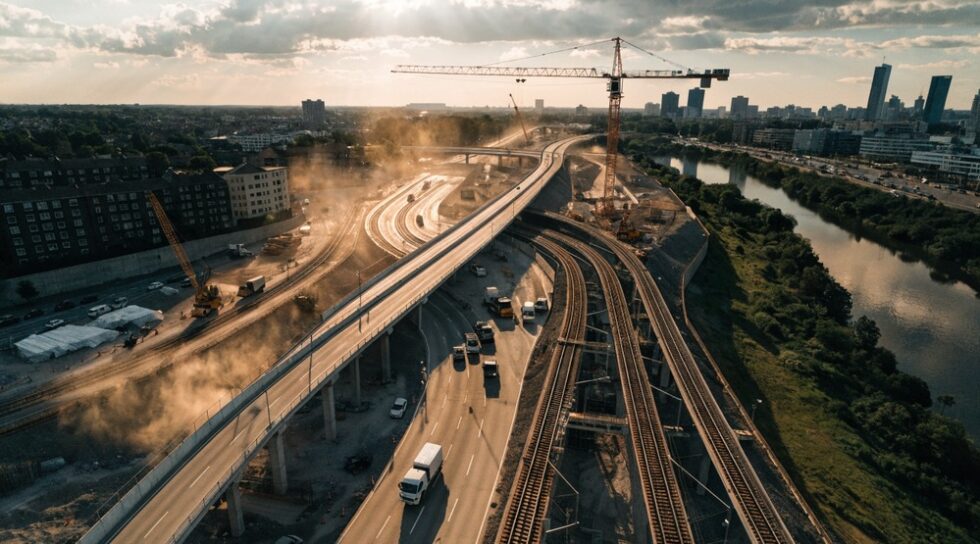
In 2026, the landscape of global construction and infrastructure projects is witnessing a remarkable surge. This uptick is driven by a combination of significant investments and pivotal regulatory changes that are reshaping the industry. With nations focusing on rebuilding and modernizing their infrastructure, the momentum is palpable. From sprawling urban developments to critical transportation networks, the sector is buzzing with activity.
Investment values in key projects are staggering. For instance, major cities are pouring billions into public transit systems, aiming to reduce congestion and enhance connectivity. Stakeholders, including private investors, government bodies, and international organizations, are stepping up their involvement. This collaborative approach is not just about funding; it’s about creating sustainable solutions that can withstand the test of time. The financial metrics are impressive, with projected returns on investment that promise to attract even more capital into the sector.
So, who are the key players in this construction renaissance? Local governments are at the forefront, often partnering with private firms to leverage expertise and resources. International banks are also playing a crucial role, providing the necessary financing for large-scale projects. The synergy between these stakeholders is crucial for ensuring that projects not only meet deadlines but also stay within budget.
However, it’s not just about the money. Regulatory frameworks established in the past few years have laid the groundwork for this growth. Governments have streamlined approval processes, making it easier for projects to move from conception to reality. For instance, the regulatory changes initiated in 2024 and 2025 have been instrumental in reducing red tape, allowing for quicker mobilization of resources and labor. These adjustments have proven essential in a world where time is often as valuable as capital.
Yet, challenges remain. While many projects are progressing smoothly, others are encountering roadblocks. Delays due to supply chain issues and labor shortages have been reported, raising questions about the resilience of current strategies. Stakeholders are increasingly aware that while investment is crucial, it must be matched with effective project management and realistic timelines to avoid pitfalls.
As we look ahead, the economic impact of these infrastructure developments is expected to be profound. Enhanced transportation networks will not only improve mobility but also stimulate local economies by creating jobs and fostering business growth. The ripple effect of these projects will be felt in communities around the globe, highlighting the importance of infrastructure as a backbone of economic stability.
In conclusion, the surge in global construction and infrastructure projects in 2026 is a testament to the industry’s adaptability and resilience. With significant investments and supportive regulatory environments, the stage is set for a new era of development. However, as history has shown, the road ahead will require careful navigation to ensure that these ambitious projects deliver on their promises.