




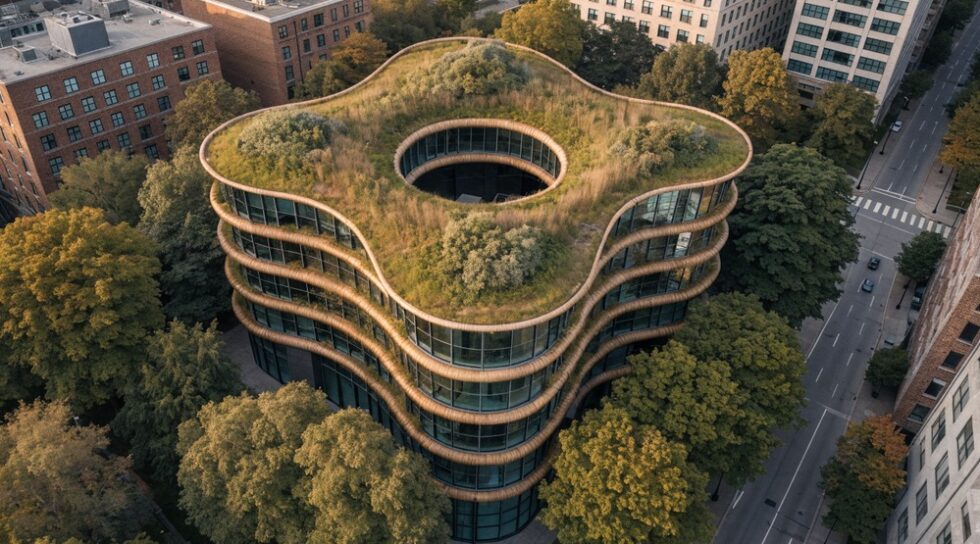
Sustainability in construction is not just a buzzword in 2026; it’s a driving force reshaping the industry. Builders are increasingly adopting innovative practices that prioritize eco-friendliness, from using recycled materials to implementing energy-efficient designs. The integration of advanced technologies, such as Building Information Modeling (BIM) and modular construction, has streamlined processes, reduced waste, and enhanced overall project efficiency. These trends reflect a growing recognition that sustainable practices can lead to both environmental benefits and cost savings.
Government regulations have played a pivotal role in this transformation. In 2026, several countries enacted stringent policies aimed at reducing carbon footprints and promoting sustainable building practices. For instance, new legislation mandates that all public buildings achieve net-zero energy consumption by 2030. This has prompted developers to rethink their approaches, focusing on renewable energy sources and sustainable materials. The shift is not merely regulatory; it’s a response to public demand for greener infrastructure.
But what does this mean for the materials used in construction? The environmental impact of construction materials is a critical consideration in today’s projects. In 2026, there’s a marked shift towards low-carbon alternatives, such as hempcrete and recycled steel. These materials not only reduce greenhouse gas emissions but also often outperform traditional options in terms of durability and insulation. Builders are increasingly aware that the choices they make today will have lasting effects on the planet.
So, why should we care about sustainability in construction? The answer is simple: it’s about creating a healthier environment for future generations. By prioritizing sustainable practices, the industry is not only addressing climate change but also enhancing the quality of life in communities. As more stakeholders—from architects to investors—recognize the importance of sustainability, the momentum for change continues to build.
In conclusion, the landscape of construction in 2026 is being reshaped by sustainability trends, robust government regulations, and a keen awareness of the environmental impact of materials. This evolution is not just a trend; it’s a necessary shift towards a more responsible and resilient industry. As we move forward, the commitment to sustainability will be crucial in defining the future of construction.