




Revolutionizing construction in 2026, robotics is taking center stage, reshaping how we build. From autonomous bricklaying robots to drones that survey job sites, these innovations are not just futuristic concepts; they are actively deployed across various projects. For instance, a major urban development in Chicago has integrated robotic arms that can lay bricks with precision and speed, reducing construction time by up to 30%. This shift not only accelerates project timelines but also minimizes human error, a significant factor in construction delays.
As we dive deeper into the impact of AI on the construction industry, the numbers speak volumes. AI applications have enhanced safety protocols, leading to a reported 40% decrease in workplace accidents on sites utilizing AI-driven monitoring systems. These systems analyze real-time data from wearables and cameras to identify potential hazards before they escalate. Moreover, AI optimizes project management by predicting delays and resource needs, resulting in improved productivity and cost savings. The construction sector is beginning to realize that AI isn’t just a tool; it’s a game changer.
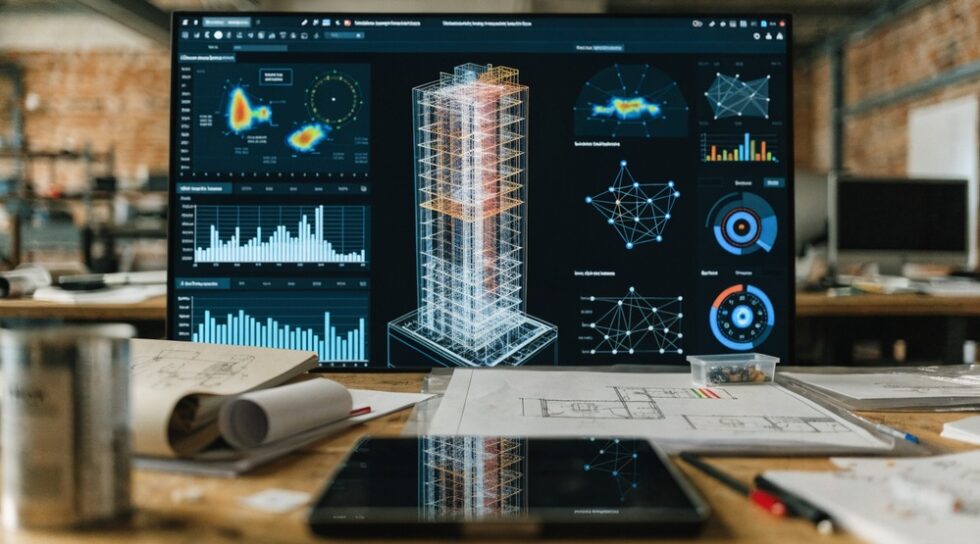
Digital twins and advanced materials are the unsung heroes in this technological revolution. By creating virtual replicas of physical assets, digital twins allow project managers to simulate scenarios and make informed decisions before breaking ground. For example, a new skyscraper in New York is using digital twin technology to monitor energy consumption and structural integrity throughout its lifecycle. This proactive approach not only enhances efficiency but also supports sustainability efforts. However, barriers to adoption remain. Many firms cite high initial costs and the need for skilled personnel as significant hurdles.
So, how do these technologies work together? Robotics handles the heavy lifting, AI ensures safety and efficiency, and digital twins provide a comprehensive view of the project. Together, they create a synergistic effect that transforms traditional construction practices. As we look to the future, the integration of these technologies promises to redefine not just how we build, but how we think about construction itself. The industry is evolving, and those who embrace these innovations will lead the way into a more efficient and safer construction landscape.