




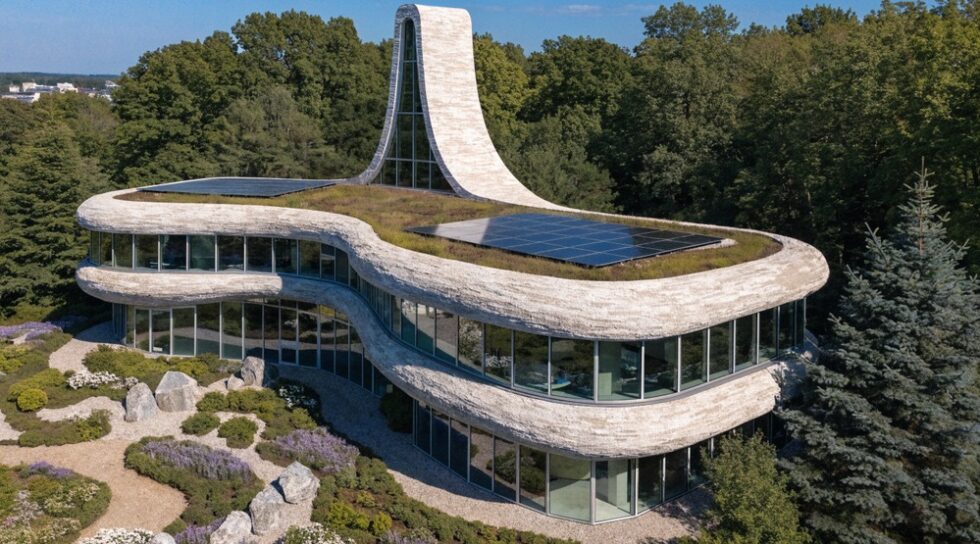
In 2026, the construction industry is experiencing a seismic shift, driven by the adoption of green materials. These sustainable alternatives are not just a trend; they are becoming essential for builders aiming to meet ambitious net-zero goals. As climate change continues to pose an existential threat, the push for environmentally friendly construction practices has never been more urgent.
Net-zero initiatives have emerged as a direct response to the climate crisis, with projects across the globe showcasing measurable impacts. Builders are increasingly utilizing materials like recycled steel, bamboo, and bio-based composites, which significantly reduce carbon footprints. These innovations not only help in minimizing waste but also enhance the overall sustainability of construction projects. By 2026, many companies report achieving reductions in emissions by as much as 30% through these practices, a clear testament to the effectiveness of green materials.
But what’s driving this change? A combination of regulatory pressures and market demand is pushing the construction sector toward greener practices. Government policies implemented in 2024 and 2025 laid the groundwork for these advancements, incentivizing builders to adopt sustainable methods. Tax breaks and grants for projects that prioritize climate resilience have encouraged many to rethink their material choices. As a result, the construction landscape is evolving, with a growing emphasis on sustainability.
However, the transition to green materials is not without its challenges. While many projects are successfully integrating these innovations, others struggle with supply chain issues and higher upfront costs. Builders often find themselves caught between the desire to be environmentally responsible and the financial realities of construction. This raises an important question: How can the industry balance sustainability with economic viability? Addressing this will be crucial for the long-term success of net-zero initiatives.
In conclusion, the construction industry’s embrace of green materials in 2026 is a significant step toward achieving net-zero goals. While the measurable impacts of these initiatives are promising, the path ahead requires ongoing commitment and innovation. As we look to the future, it’s clear that the intersection of sustainability and construction will play a pivotal role in shaping our built environment.